

Data centers have quickly become one of the more controversial economic development topics across the country, and North Dakota is no exception.
Some see an enormous economic opportunity. Others worry about electricity, water, noise, or the relatively small number of permanent jobs. Still others are uncomfortable with what data centers represent: the rapid growth of artificial intelligence itself.
Those are fair questions. People should be asking them.
But there is an important difference between asking questions and assuming there aren’t answers.
Start With the Facts
One of the biggest challenges with the data center debate is that examples from across the country are often applied to every project everywhere.
Someone reads about a data center consuming millions of gallons of water and assumes they all do. Someone sees electricity prices increasing in a state experiencing massive data center growth and assumes the same thing will happen here.
We should learn from those examples, but data centers are not all the same. Cooling technology, climate, power sources, facility design and location all matter.
Rather than asking, “Do data centers use too much water?” we should ask, “How much water will this data center use?”
Instead of asking, “Will data centers increase my electric bill?” ask, “Who will pay for the infrastructure required to serve this project?”
Facts have more value in this conversation than assumptions.
Water, Power and Location
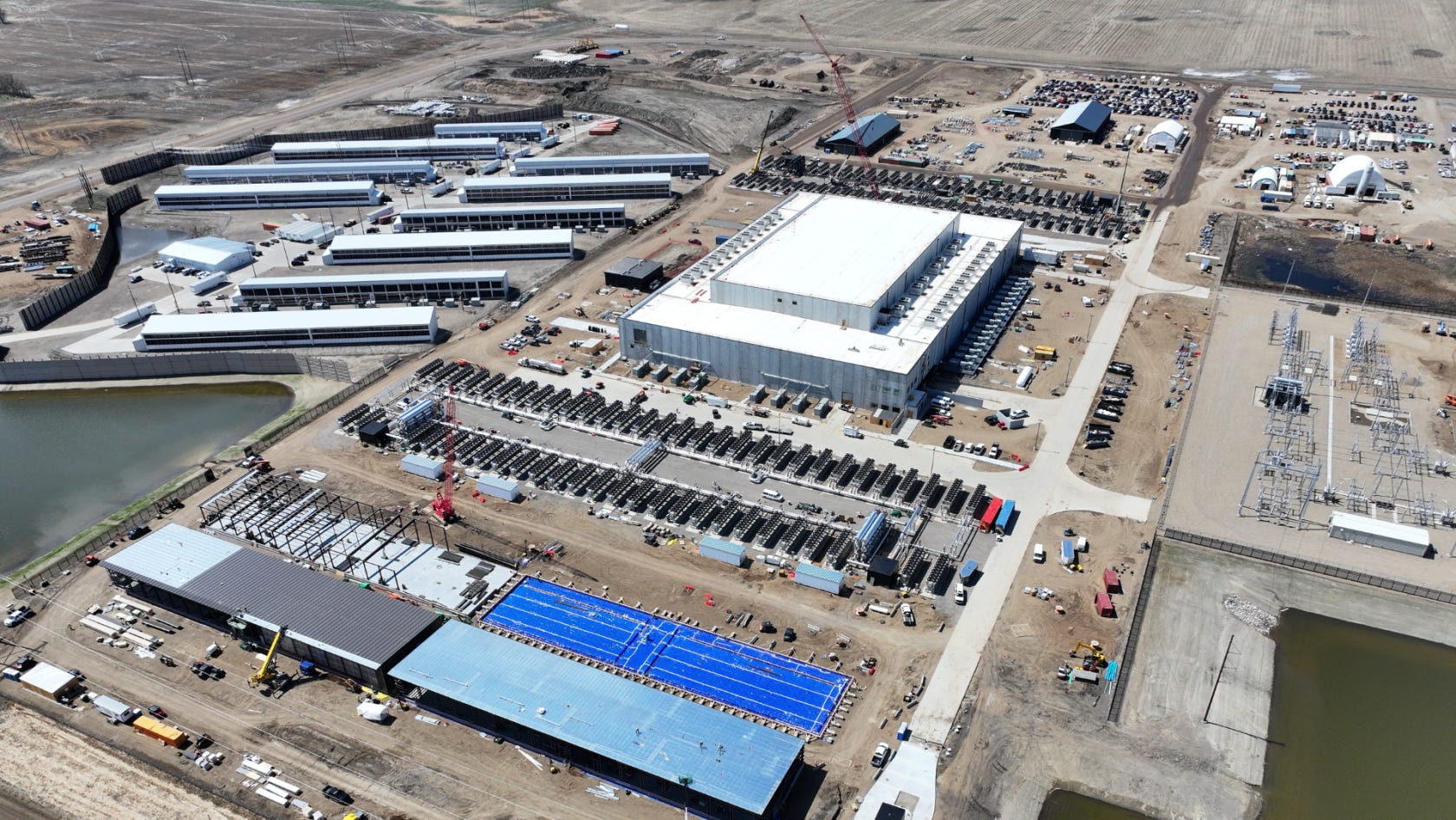
Water is a good example. Some data centers in warmer climates use significant amounts of water for cooling. Others, such as the Applied Digital data center in Ellendale, ND use very little.
North Dakota has also welcomed industries that require significant water, including ethanol production, soybean processing and oil development. We evaluate those projects based on their actual requirements and benefits. Data centers deserve the same treatment.
Electricity may be an even more important question. Large data centers can consume enormous amounts of power, and residents are right to ask whether they could end up paying for the infrastructure required to serve them.
The answer shouldn’t be, “Trust us.”
Utilities can structure agreements requiring large-load customers to pay for the generation, transmission and infrastructure they require. Policymakers at the federal and state levels are also examining additional ratepayer protections.
North Dakota should insist on a simple principle: data centers should pay the costs they create rather than shifting them to existing customers.
Location matters too. Data centers can be large, create noise and change the character of an area. A facility near residential neighborhoods deserves a different conversation than one located in an appropriate industrial area.
Sometimes the concern really is NIMBY, and that’s not necessarily unreasonable. Good zoning matters.
And Yes, Some of This Is About AI
We should also acknowledge that some of the concern isn’t really about the buildings. It’s about artificial intelligence.
For some people, AI raises legitimate questions about jobs, privacy and how technology will change society. For others, it brings to mind the science-fiction version of machines taking over the world. Call it the Skynet concern.
But whether we’re excited about AI or terrified by it, the technology isn’t going away.
AI is becoming part of healthcare, agriculture, manufacturing, education, banking and nearly every other industry. All of that computing requires physical infrastructure somewhere.
In some ways, I think this generation’s buildout of computing infrastructure has parallels to bringing electricity to farms and rural America generations ago. We don’t know exactly where AI will lead, but it has the potential to fundamentally change and strengthen our economy.
Refusing to build the infrastructure doesn’t stop that change. It simply determines where the investment occurs.
North Dakota Has an Opportunity
North Dakota has some natural advantages.
We’re an energy-producing state. We have land. We have a cold climate that can provide cooling advantages. And we have opportunities to locate large industrial developments away from residential neighborhoods.
That doesn’t make every data center a good project. It does mean we shouldn’t stick our heads in the sand and ignore an industry where North Dakota may have a competitive advantage.
Ask hard questions. Understand the water requirements. Protect electric ratepayers. Address noise. Choose appropriate locations. Understand the incentives being requested and make sure the economics benefit the community.
If a project can’t meet those expectations, we should be willing to say no.
If it can, we should also be willing to say yes.
West Fargo Is Having the Right Conversation
The good news is that I believe West Fargo is approaching this the right way.
This week, the Fargo Moorhead West Fargo Chamber of Commerce hosted its Midwest Technology Summit in West Fargo and dove into many of these issues.
On September 17 at 7:00 p.m., Civic West will host a community forum on data centers at the West Fargo Fire Department. It will be another opportunity to ask questions, hear different perspectives and better understand the opportunities and concerns.
This is exactly what we should be doing.
Let’s have the conversation before a billion-dollar project is sitting in front of us and everyone feels pressured to make a decision quickly.
Let’s understand residents’ concerns and establish expectations around location, water, electricity, noise, infrastructure and economic benefits ahead of time.
Then, if an opportunity comes along, we’ll be prepared.
Facts Over Fear
I don’t think communities should blindly welcome data centers.
I also don’t think we should blindly reject them.
Asking questions isn’t anti-development. It’s responsible. But those questions should lead us toward facts and ultimately toward good decisions.
We shouldn’t dismiss legitimate concerns. We should work through them.
And we shouldn’t allow misinformation, fear, or examples from completely different projects in completely different parts of the country to make our decisions for us.
North Dakota has some real advantages in this emerging industry. We should understand them and determine whether we can use them responsibly.
Ask hard questions. Demand factual answers. Then make the decision based on the facts.