

Over the past decade and beyond, West Fargo has approved numerous commercial property tax incentives to encourage economic development in our community.
Those decisions were made for a reason. The city determined that attracting a business, encouraging an expansion, or supporting a particular project was good for West Fargo’s long-term economic growth.
But there is an important piece of those decisions that I think deserves more attention: Who pays for the incentive while it is in place?
Today, when the City provides a property tax incentive, the City simply collects less property tax revenue from that property for the duration of the incentive.
That means the City’s general budget absorbs the lost revenue.
I believe there is a better approach.
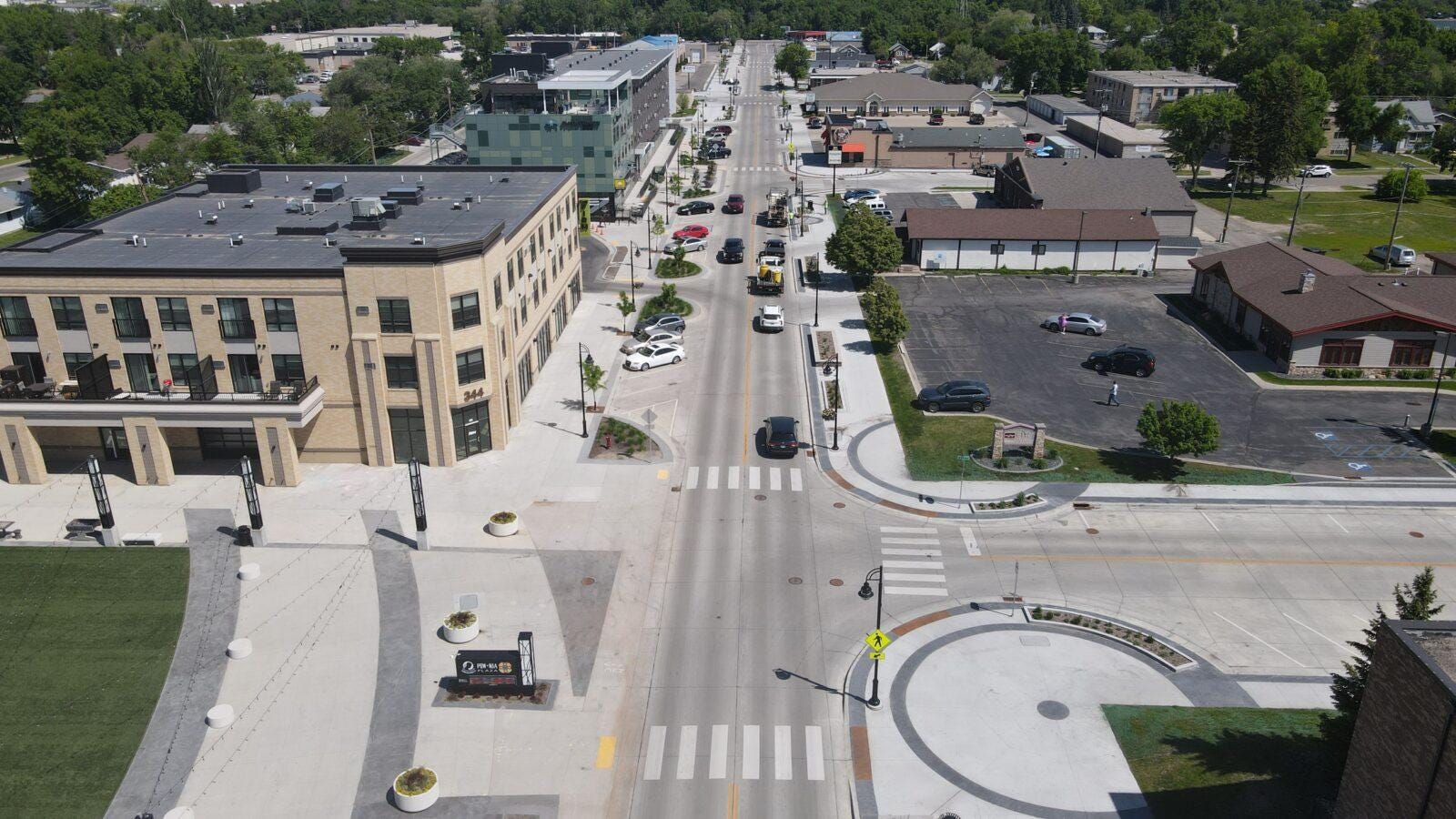
Use Economic Development Dollars for Economic Development
West Fargo has an Economic Development Sales Tax Fund. These are dollars specifically set aside to support economic development in our community.
My proposal that I made in July is pretty simple:
Each year, calculate the amount of City property tax revenue we are foregoing because of previously approved economic development incentives, and reimburse the appropriate city fund for that amount using the Economic Development Sales Tax Fund.
In other words, make the City budget whole.
If West Fargo would otherwise have collected $500,000 in City property taxes from properties receiving previously approved economic development incentives, we would transfer $500,000 from the Economic Development Sales Tax Fund to replace that lost city revenue.
The incentive remains exactly as it was approved. The business receiving it sees no change. Property owners see no new tax. I’m happy the full commission agreed and our 2027 budget will pay for these past economic development efforts with dollars already dedicated to economic development.
What This Proposal Is NOT
This distinction is important.
This is not a new tax.
This is not a proposal for a new sales tax.
This is not a new property tax incentive.
And it is not a proposal to retroactively change the incentives that businesses were previously promised.
It is about how the City accounts for the financial impact of incentives that have already been approved, including incentives dating back more than a decade that may still be affecting City revenues today. Yes, it’s really just a boring accounting thing.
Those incentives were economic development investments. I believe it makes sense for our existing economic development resources to cover their cost.
Why Does It Matter?
City budgets ultimately come down to revenues and expenses.
When we approve an incentive that reduces property tax collections, the city’s expenses don’t automatically decline with it. We still need police officers, firefighters, streets, parks, snow removal, and all of the other services residents and businesses expect.
The revenue simply isn’t there.
Over time, multiple incentives can add up to a meaningful amount of foregone revenue.
Meanwhile, we have an Economic Development Sales Tax Fund specifically intended to help advance economic development.
To me, connecting those two things makes sense.
If an incentive was provided for economic development purposes, using economic development dollars to cover its cost creates a clearer and more transparent picture of what those incentives actually cost the city.
It also helps protect the health of our annual operating budget.
It Also Creates Better Accountability
There is another benefit to this approach.
Economic development incentives are sometimes discussed as though they don’t cost anything because the city is simply “giving up revenue” it otherwise might not have received.
There can certainly be good reasons to use incentives. But they still have a financial impact, and I believe we should be transparent about that impact.
By calculating the amount each year and reimbursing the City from the Economic Development Sales Tax Fund, the cost becomes visible.
Residents could see exactly how much existing incentives cost the city each year.
City leaders could see how much of our economic development resources are already committed through previous decisions.
And when future incentives are considered, we would have a much clearer understanding of their long-term financial impact.
That is good budgeting and good transparency.
A Simple Principle
My thinking comes down to a straightforward principle:
Economic development incentives should be paid for with economic development dollars.
West Fargo has already collected and set aside sales tax dollars for economic development. At the same time, our annual budget continues to feel the impact of property tax incentives approved for economic development purposes over many years.
Connecting the two would help strengthen our budget, provide greater transparency around the true cost of incentives, and put existing economic development dollars to work for exactly the purpose they were collected for.
No new tax.
No new incentive.
Just a more responsible way to account for decisions we’ve already made. I think there is an idea here to think about going forward. Maybe we should stop giving out any property tax incentives and instead use these dollars to pay out directly based on set outcomes. For example, pay out an amount to a new business each year for a period of time based on hitting certain hiring goals. We are in a unique position to be able to think about this and execute on this differently while protecting the city’s bottom line.